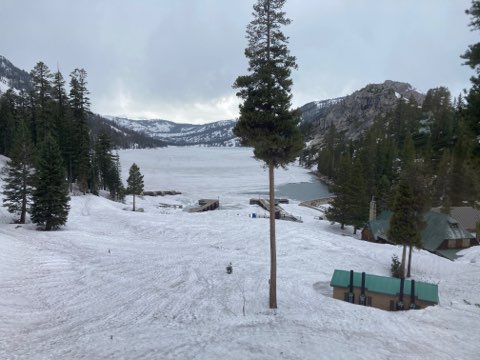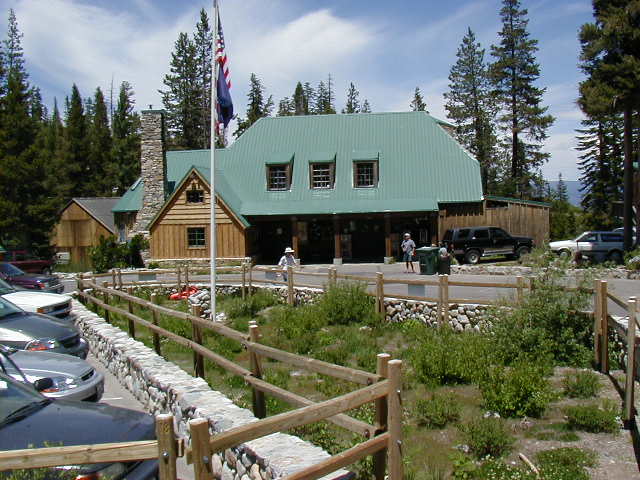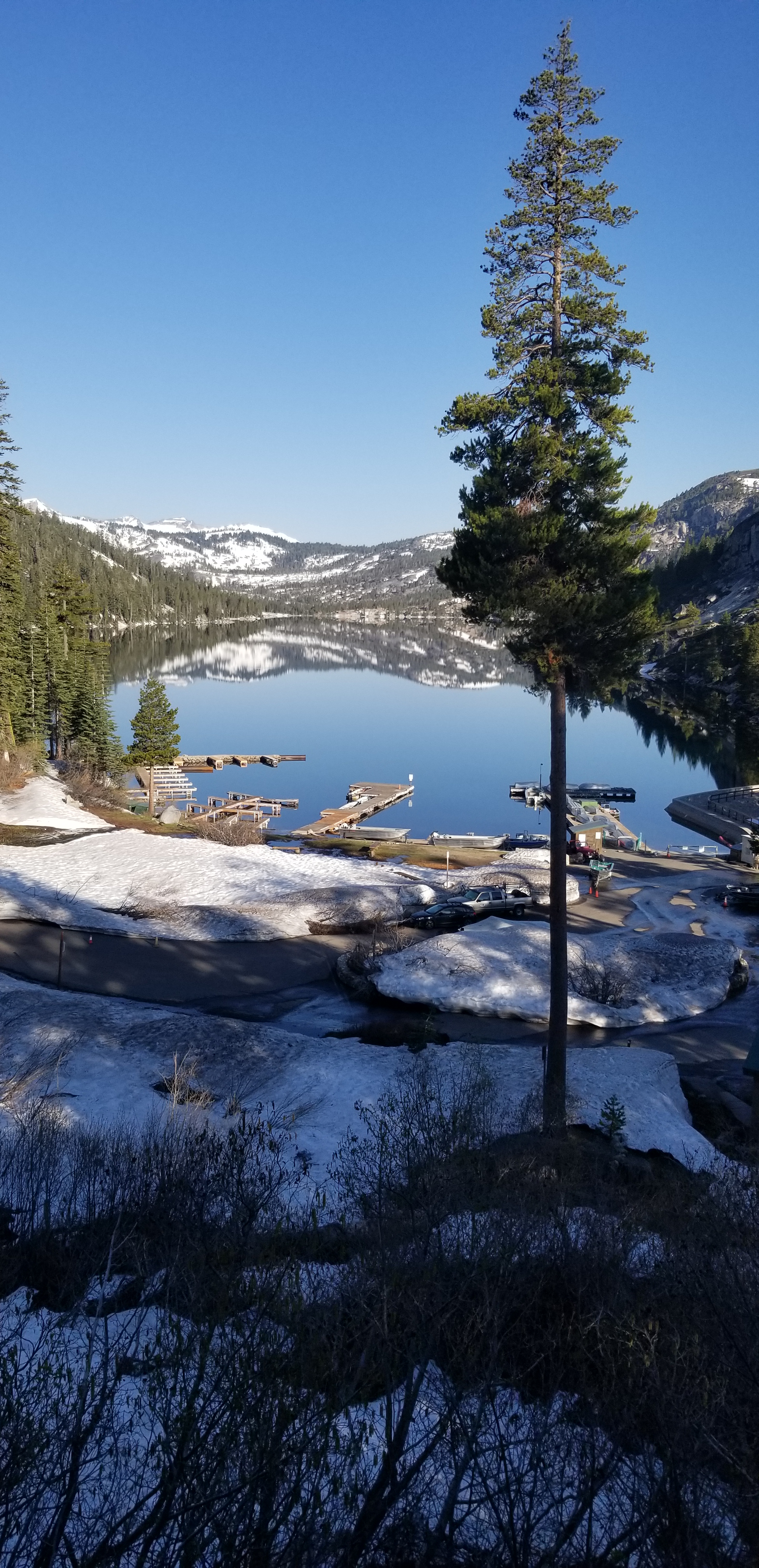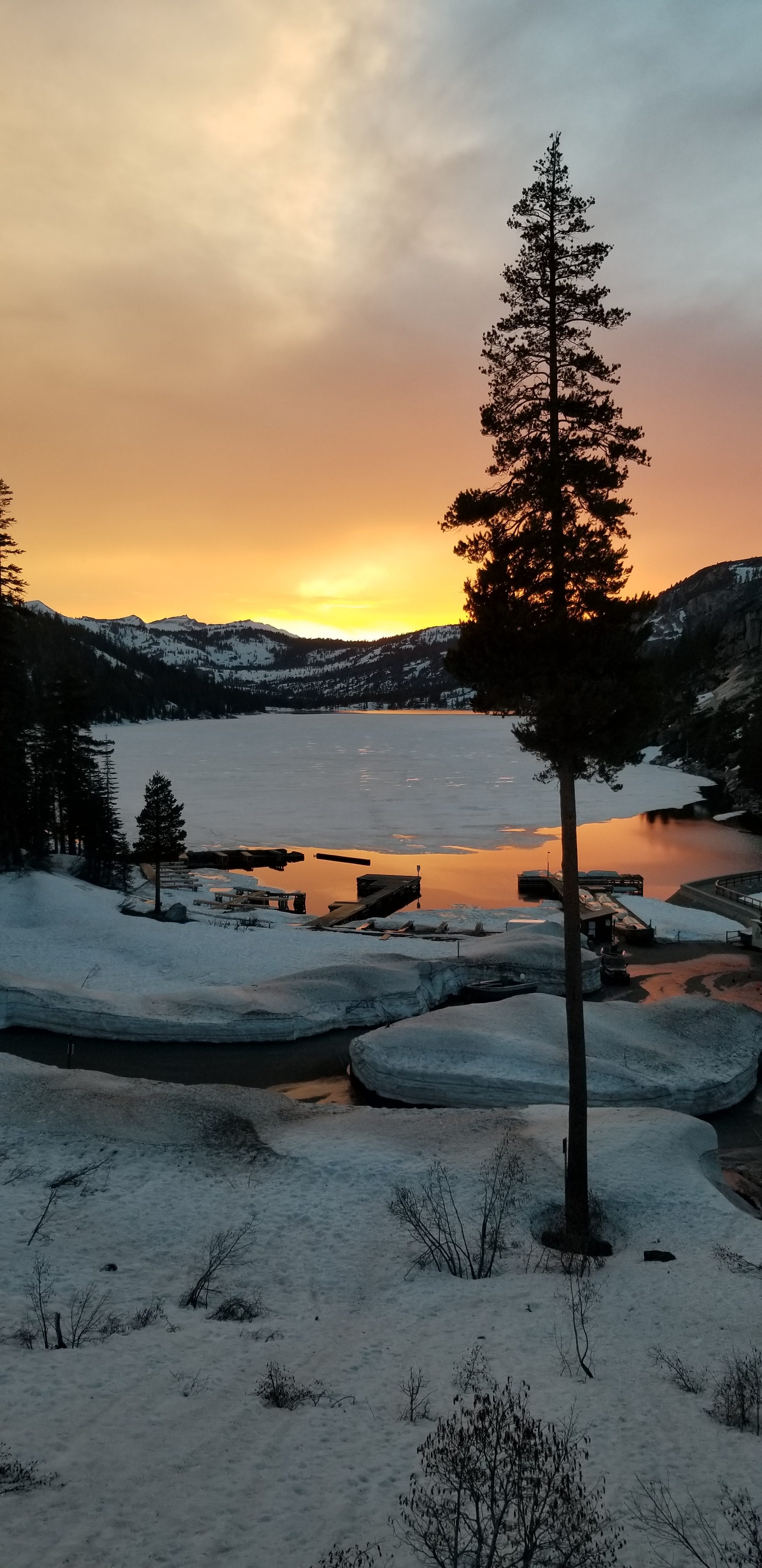
Echo Chalet is a high-Sierra, summer-only, resort located approximately 10 miles from South Lake Tahoe and 49 miles east of Placerville off U.S. Highway 50.  The resort was established in 1939, and is operated under permit of the United States Forest Service-Lake Tahoe Basin Management Unit

Tom and Kathleen ("Kat") Fashinell have owned and managed the Chalet since 1984. The resort operates (weather permitting) from Memorial Day through the Labor Day weekend.  Our rental cabins ("Chaletlees") are usually ready for occupancy by mid-June. 

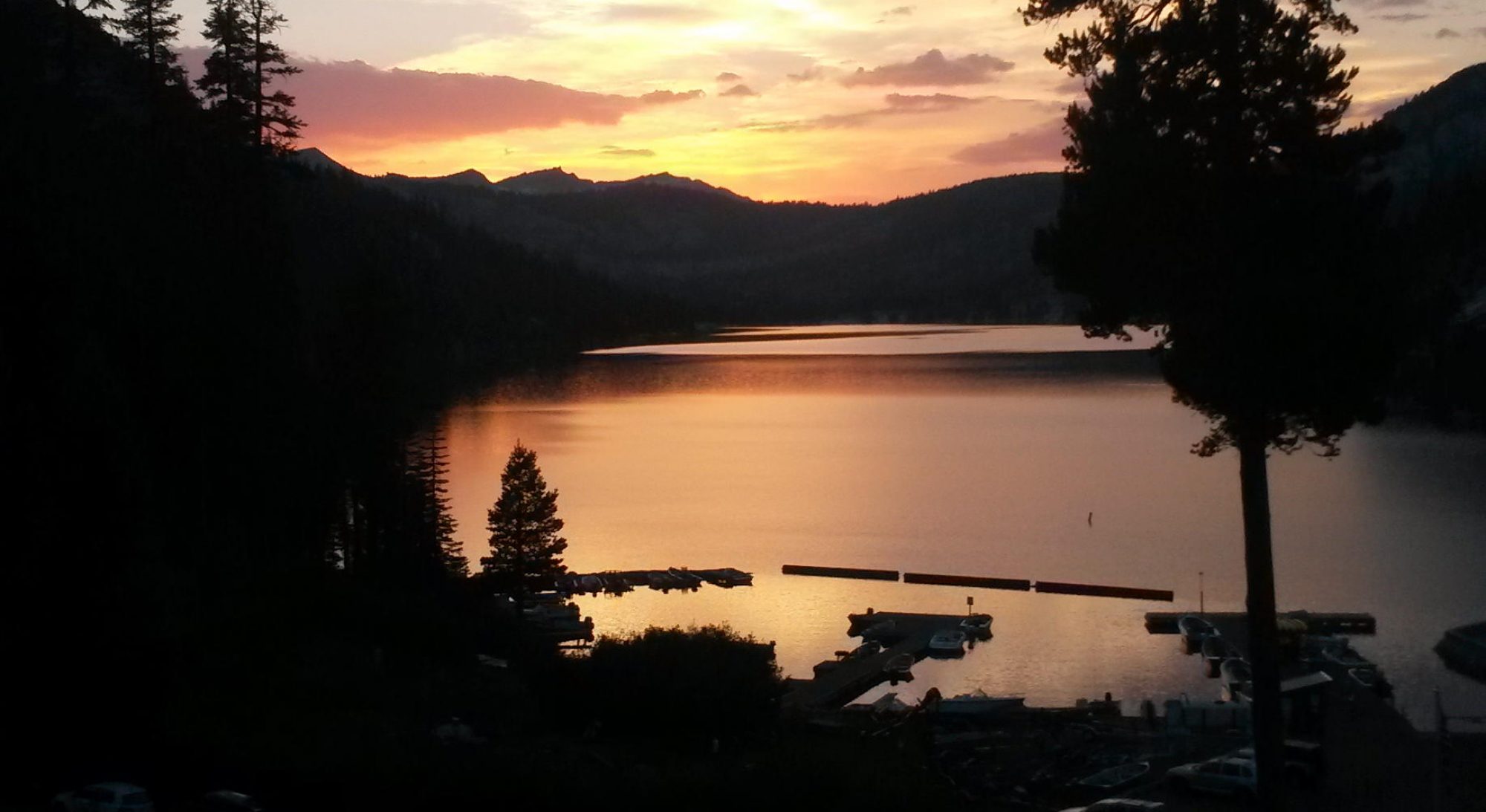
    The Chalet as viewed from Echo Lakes Road -  Lake Tahoe in the background (North)  

OCTOBER 19, 2011

THE CHALET IS NOW CLOSED FOR THE SEASON 

 INSPECTION OF ALL WATERCRAFT (INCLUDING CANOES AND KAYAKS) FOR AQUATIC INVASIVE SPECIES WILL CONTINUE UNTIL WE ARE "SNOWED OUT"

LAUNCH RAMP HOURS WILL BE APPROXIMATELY 10:00am - 4:00pm 

(standard launch and harbor fees will apply)

THANK YOU FOR YOUR SUPPORT AND UNDERSTANDING, SEE YOU NEXT SUMMER


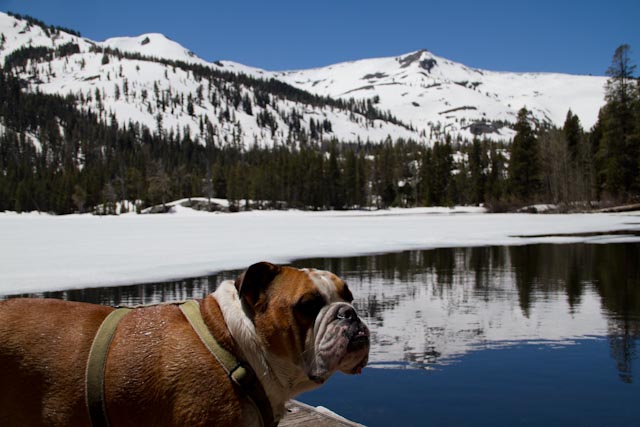
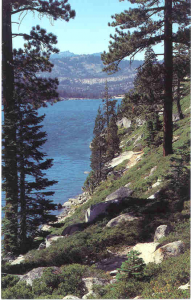
ECHO LAKE 6-15-2011:

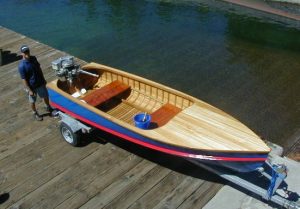
SIR DUKE OF ECHO ON CHALET PIER 6-15-2011:

VERY INTERESTING ARTICLE FROM THE SAN FRANCISCO CHRONICLE 6-8-2011:

This article appeared on page A - 1 of the San Francisco Chronicle    Peter Fimrite, Chronicle Staff Writer   

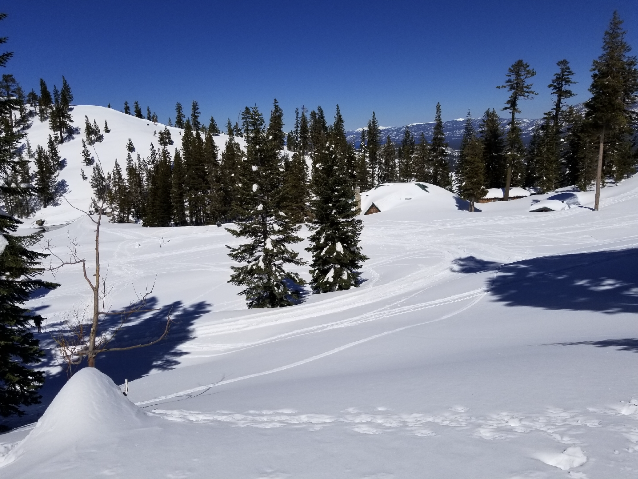
More snow than has ever been recorded this close to summer is blanketing Donner Summit, creating a potentially dangerous situation when the snow begins to melt, hydrology experts said Tuesday. A summer heat wave could cause melting snow in the Sierra to cascade down from the mountains all at once, overwhelming reservoirs and river channels and causing widespread flooding, California water officials warned. The disastrous scenario is a distinct possibility, officials said, because unseasonably cold weather over the past month has frozen the Sierra snowpack in place long after it would have normally melted.

"This year we have more snow than we've ever had at this time," said Randall Osterhuber, a lead researcher and hydrologist at UC Berkeley's Central Sierra Snow Laboratory, near Donner Pass, one of the few places in the Sierra where snow measurements can still be taken this late in the year. " California has the tendency to get very hot very fast this time of year. We're only a couple of weeks from the summer solstice and the chances of this are increasing every day. We've never seen the impact of full-on summer temperatures with such a large snowpack."

Osterhuber said 94.09 inches of snow were on the ground as of Tuesday near the lab, which, at nearly 6,900 feet in elevation, is close to the Sugar Bowl ski resort. This amount of snow one week into June "has never occurred before since our station was built" in 1946, he said. The previous record for June 7 was in 1967 when 79.92 inches were measured in the area, he said.

Preserved ice

The problem, experts say, is not the amount of snow that fell this winter in the Sierra. The snowpack at its peak was the fourth deepest at the laboratory and well above normal all across the Sierra, but no records were broken this year in terms of overall precipitation, snowpack or water content. The issue, experts say, is how the cold weather has lingered - some 37 inches of new snow fell in May and another storm blanketed the mountains last weekend - preserving the ice pack long after it normally would have melted.

Mike Pechner, a longtime Bay Area weatherman who runs Golden West Meteorology, said monitoring in nearby Soda Springs shows that it is the deepest snow at this date in the high elevations since records were begun in 1868 by the folks who built the Transcontinental Railroad. The snow isn't just lingering around Donner Summit. It is thick in the high elevations - between 6,000 and 9,000 feet - all across the Sierra, officials said. The statewide snow database shows the snowpack in California is currently at 94 percent of what would be normal on April 1. Hetch Hetchy Water & Power officials said it was the third wettest winter on the Tuolumne River watershed since record-keeping began there in 1910.  

Fear the heat

"In a normal winter, you see the entire snowpack melt in May and there is no snow left on the ground by June 1," Pechner said. "In this case, we still have well over 6 feet of snow still on the ground." The unusually thick snowpack could potentially lead to catastrophe if the state were to experience a sudden heat wave, a distinct possibility in the summertime, said Arthur Hinojosa, chief of the hydrology and flood operations office for the California Department of Water Resources.

"The worst-case scenario is we get a good long, hot, sunny dry spell with temperatures above freezing all night long," Hinojosa said. "Then everything will just start coming down and flows could quadruple from what we are seeing now. If the runoff fills the reservoirs and they have to push the water out faster than they can put it into irrigation channels, then it would overwhelm the river channels."

The San Joaquin River would appear to be in the most danger of flooding, Hinojosa said, given that Friant Dam is relatively small. Water regulators have kept the lake behind the dam only about half full for that reason, he said. Both Lake Oroville , the primary storage reservoir for the State Water Project, and Shasta Lake , which is part of the U.S. Bureau of Reclamation's Central Valley Project and the largest reservoir in the state, are at almost 100 percent capacity. Hinojosa said Oroville and Shasta are being allowed to be almost full because the Yuba, Feather and Sacramento rivers would be able to handle higher flows if it became necessary to dump water out of the big reservoirs during a mass melt-off.

Beyond bizarre

"A lot of it depends on the weather, of course," said Hinojosa, adding that the department had similar concerns in 2006 after heavy snowfall. "It's what we are watching for and consulting with the Army Corps of Engineers to prepare for." Most meteorologists are reluctant to ascribe a cause to the unusual weather, but Pechner said there is only one logical explanation for the record number of tornadoes in the South and Northeast, the heat waves across the globe and the mercurial conditions seemingly everywhere.

"I think it's climate change," Pechner said. "It's absolutely bizarre. You could pick any day in the winter and this weekend's rainfall in the Bay Area would probably beat any of those days. How weird is that? So it is more than bizarre. It's weird."

E-mail Peter Fimrite at pfimrite@sfchronicle.com.

Historical Note: Memorial Day Weekend 2010

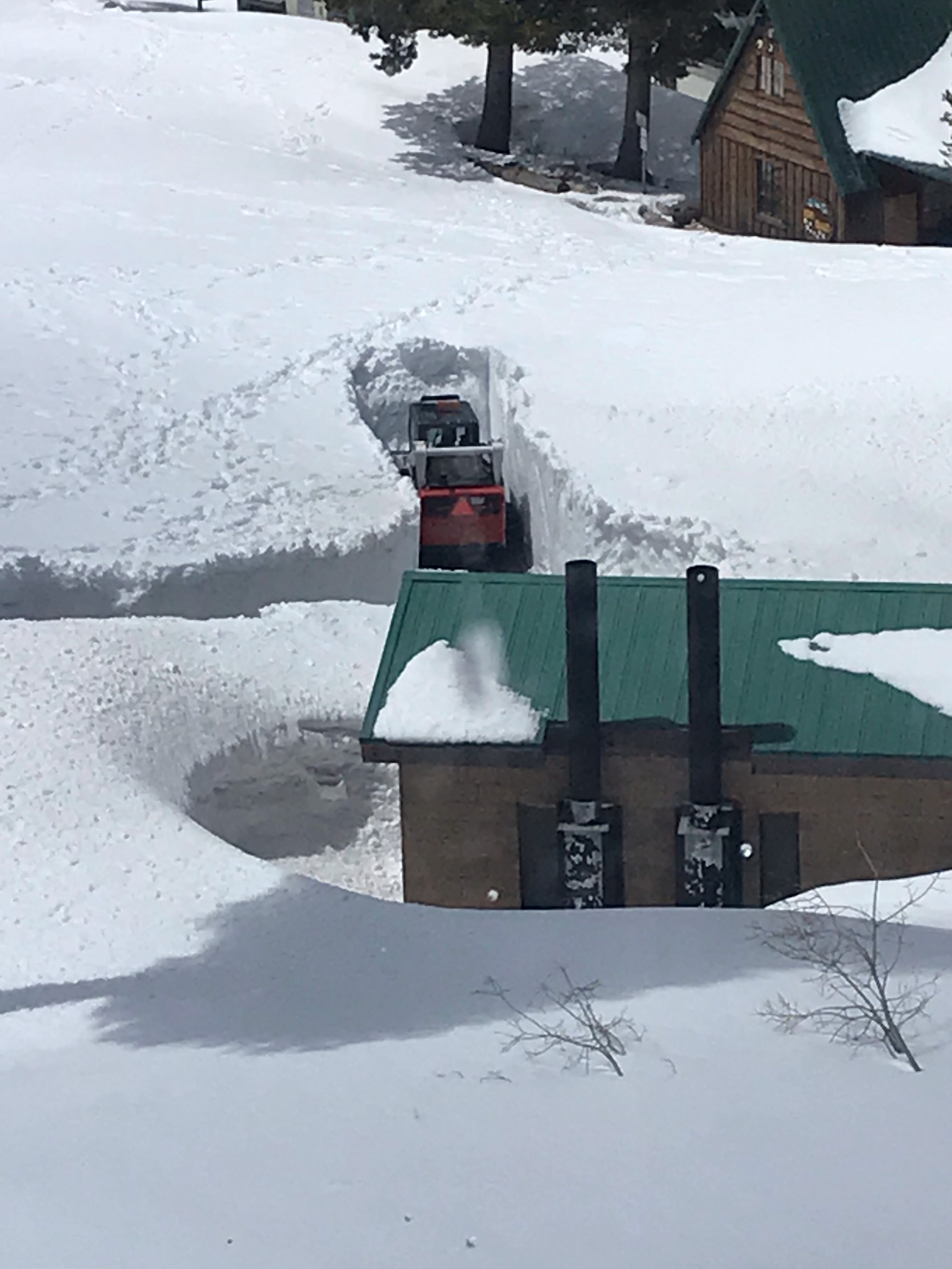
Please note: Over a three day period preceding the Memorial Day weekend, we had a snow-blower and a loader working to clear Echo Lakes Road into the Chalet. The snow pack was extensive and the road was single-lane in some portions ( especially around the lower curve - see photo below) requiring occasional back-ups to the nearest wide spot / turn-around. Everyone was cooperative and seemed grateful to be able to access the lake front in these winter-like conditions. Nevertheless, we were criticized for opening the road in such a limited fashion. 

Given the economic realities of Memorial Day weekends in general, and the frozen status of the lake, we have decided to discontinue plowing Echo Lakes Road in such conditions. In the future, when the lake is thawing we may decide to clear the road of some snow and debris in order to provide safe driving conditions. This will be a very limited, and much more cost-effective approach to starting our summer season(s). 

PICTURES FROM 5-28-2010:

ECHO ROAD 5-28-10.jpg (58504 bytes)

ECHO ROAD PLOWING 5-28-10.jpg (43693 bytes)

   Fall storm 2010

On Sunday, October 24th we received 7.9 inches of rain accompanied by very strong winds. E.I.D. had previously lowered the lake to about 6 inches depth at the ramp. By 10/26  Lower Echo had risen to almost 4 feet, and, according to observers, Upper Echo had risen over the piers. Boats that were essentially sitting on lake bottom prior to the storm broke their tie lines, filled with water and debris and sustained some damage. Never a dull moment at Echo!

10-24-2010 PILEUP.jpg (85135 bytes)

10-24-2010 WHYWALK.jpg (91855 bytes)

BY REQUEST - ECHO LAKE PATCHES

ECHO PATCHES 2010 (2).jpg (246780 bytes)

1917 - 1921 Pictures of Echo from El Dorado Irrigation Archives:

The last pack train from "Medley", presumably from dam construction at Aloha

ECHO PACK TRAIN 1917 OPTIMIZED.jpg (186811 bytes)

Lower Echo and main pier (unfinished)

LOWER ECHO AND PIER 1921 OPTIMIZED.jpg (118429 bytes)

Lower Echo and dam. Notice the cabin on the lower South side of the harbor.

LOWER ECHO AND DAM 1920'S OPTIMIZED.jpg (161027 bytes)

Echo Sunrise 11-5-08

ECHO SUNRISE 11-5-08.jpg (72802 bytes)

                                August 2007: We now have three taxis rigged as fire boats!

THREE PUMPS - 4 HOSES.jpg (54901 bytes)

DID YOU EVER WONDER :

What happens to all the aluminum cans we collect each summer?

BOMBARDIER - EVINRUDE - E-TEC - JOHNSON - KLAMATH BOATS

 Great article on Evinrude E-Tec engines from BOATING WORLD

  ECHO PEAK SNOWPACK - U.S. GOVERNMENT SITE

AQUATIC INVASIVE SPECIES:

Because of the very real threat of Nuisance plants and mussels entering Echo from Tahoe (plants) and elsewhere (Quagga or Zebra mussels from Colorado and Southern California), we are required to inspect all watercraft, motorized and non-motorized, and control access to the lake. We have therefore installed a locked gate and, throughout our operating season it will  be necessary to allow lake access only during normal business hours.  

WATERCRAFT.jpg (45461 bytes)

In anticipation of the restricted hours of operation, we respectfully ask you to  time your travel to coincide with these operating hours. 

If you have any doubts about the seriousness of the threat, or just want to explore the issue further - including a great video entitled 'Don't move a mussel" - visit the 100th Meridian website.

El Dorado Irrigation District  

For those of you who have a hard time visualizing Project 184, here is a topographical display:

E.I.D.jpg (95343 bytes)

 United States Forest Service LAKE TAHOE BASIN MANAGEMENT UNIT   

PICTURES ARCHIVE

CONTACT INFORMATION

Telephone: 530-659-7207 (8 am to 6 pm PST summer only)
           After hours: emergency calls only (please)
Fax: 530-659-7035Off-Season  Fax: 530-620-7207 (November-May)
Postal address:
 9900 Echo Lakes Road, Echo Lake, CA 95721
Electronic mail:
General Information:   echochalet-since1939@earthlink.net 
                                           
 
 Please Note: Although we check our e-mail frequently, there are times in the off-season when it may not be reviewed for a week or more. During the summer season, if your subject has any type of time constraint, please call or fax us. 

Directions to Echo Chalet
 

Hit Counter

06/07/2011

   [ Home ] Services and Chalet Crew ] About Echo Lake ] Echo Update and Cabin Patrol ] What to Do... ] Photos Archive ] Missing Sign and Aluminum Recycling ] Directions to Echo Lake ] Links ] Search Our Website ]

Last modified: June 07, 2011            Webmaster: Tom Fashinell